Mastering Temperature Control for Better Outdoor Cooking
Shop from Wide Range of Products across variety of niches. Deals and Discounts. Amazon Affiliate Store. Shop Now.
Cooking outdoors requires more than good ingredients and steady heat. Accurate temperature control plays a major role in food safety and flavor. Many grilling issues come from guesswork rather than technique. This is where grill thermometers become an essential part of modern outdoor cooking.
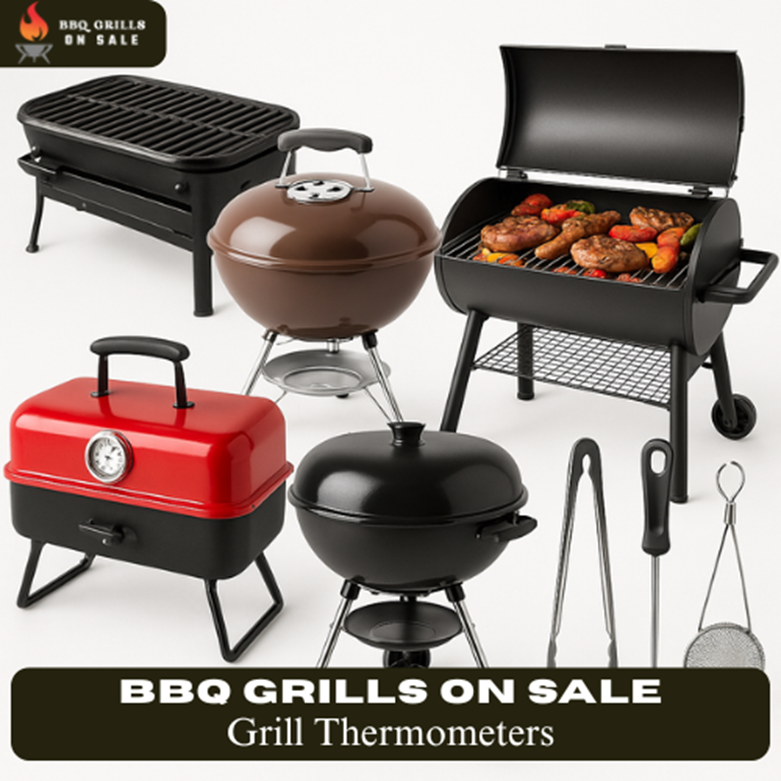
Without reliable temperature readings, food can be overcooked or undercooked. As a result, texture and taste often suffer. Consistent monitoring removes uncertainty and builds confidence. When temperature is measured correctly, grilling becomes more predictable and enjoyable.
Why Accurate Temperature Matters When Grilling
Heat management affects every stage of cooking. If temperatures rise too quickly, food dries out. On the other hand, low heat may leave food unsafe to eat. Therefore, precise monitoring supports both quality and safety.
Many grills display lid temperatures, yet internal food temperature can differ greatly. This difference often leads to uneven results. Measuring the actual heat inside food provides better insight. Consequently, cooks gain control over doneness levels.
Using dependable tools also reduces stress during cooking. Instead of cutting into food repeatedly, temperature readings provide clarity. This approach preserves moisture and presentation.
How Temperature Precision Improves Cooking Results
Consistent heat leads to uniform cooking. When temperatures remain stable, proteins cook evenly throughout. This improves tenderness and reduces burning. As a result, meals look and taste better.
Accurate readings also support timing. Knowing exact temperatures allows better planning. Food reaches ideal doneness without constant checking. This efficiency improves the overall cooking experience.
Another benefit is confidence. When temperatures are measured properly, cooks trust the process. Over time, this leads to improved technique and better outcomes. Reliable temperature control builds skill naturally.
Features That Make Temperature Monitoring Reliable
Well-designed tools focus on speed and clarity. Quick readings reduce heat loss during checking. This helps maintain stable cooking conditions. Clear displays also support quick decisions.
Durability matters as well. Outdoor cooking exposes tools to heat, grease, and weather. Strong construction ensures long-term use. Therefore, quality materials are important.
Ease of use plays a role too. Simple controls and readable screens make monitoring efficient. With less effort required, cooks focus more on technique and timing.
Enhancing Food Safety Through Proper Monitoring
Food safety depends heavily on internal temperature. Undercooked meats can pose health risks. Proper monitoring ensures food reaches safe levels before serving.
This is especially important for poultry and thicker cuts. Surface appearance can be misleading. Internal heat confirms readiness. Therefore, relying on temperature rather than color is safer.
By using grill thermometers, cooks reduce the risk of unsafe meals. Accurate readings remove doubt and promote consistent safety standards. This approach benefits both family meals and gatherings.
Supporting Different Cooking Styles and Techniques
Grilling styles vary widely. Some prefer slow cooking, while others use high heat. Each method requires different temperature control. Accurate monitoring supports flexibility.
Low-and-slow cooking demands steady heat over time. Small fluctuations can affect results. Monitoring ensures consistency throughout the process. This improves texture and flavor.
High-heat cooking also benefits from precision. Quick searing requires exact timing. Knowing when food reaches target temperature prevents overcooking. Therefore, temperature awareness adapts to every style.
Building Confidence for Beginners and Experts Alike
Experience grows with reliable feedback. Temperature readings provide that feedback consistently. Beginners learn faster when results match expectations.
Experts also benefit from precision. Even skilled cooks rely on accurate data for complex recipes. Temperature control refines technique and reduces mistakes.
Confidence grows when outcomes are predictable. Over time, cooks trust both their skills and their tools. This balance leads to better grilling sessions.
Long-Term Value of Proper Temperature Control
Investing in proper monitoring tools saves time and effort. Fewer failed meals mean less wasted food. This efficiency adds value over time.
Well-monitored cooking also protects grill components. Avoiding excessive heat extends equipment life. This reduces maintenance and replacement costs.
Using grill thermometers consistently encourages disciplined cooking habits. These habits improve results and preserve equipment. In the long run, precision pays off.
Making Temperature Monitoring a Simple Habit
Consistency improves results. Checking temperatures at key stages becomes routine with practice. This habit prevents surprises during cooking.
Placing tools within reach encourages regular use. Quick access reduces interruptions. As a result, monitoring feels natural rather than forced.
Over time, temperature checks become part of the cooking rhythm. This integration improves both efficiency and enjoyment.
A Smarter Way to Grill Every Time
In conclusion, precise temperature control transforms outdoor cooking. It improves safety, flavor, and confidence. Reliable monitoring removes guesswork and supports better technique.
By understanding heat behavior and food readiness, cooks achieve consistent results. This knowledge builds skill over time. Ultimately, smart temperature management elevates every grilling experience.
With the right approach, grilling becomes more predictable and rewarding. Accurate monitoring ensures that every meal reaches its full potential.